
Industries
Built for environments where downtime is expensive
The equipment catalogue does not change much between sectors. What changes is the documentation expected, the shutdown time available, the environment the asset lives in and the consequence of it failing.
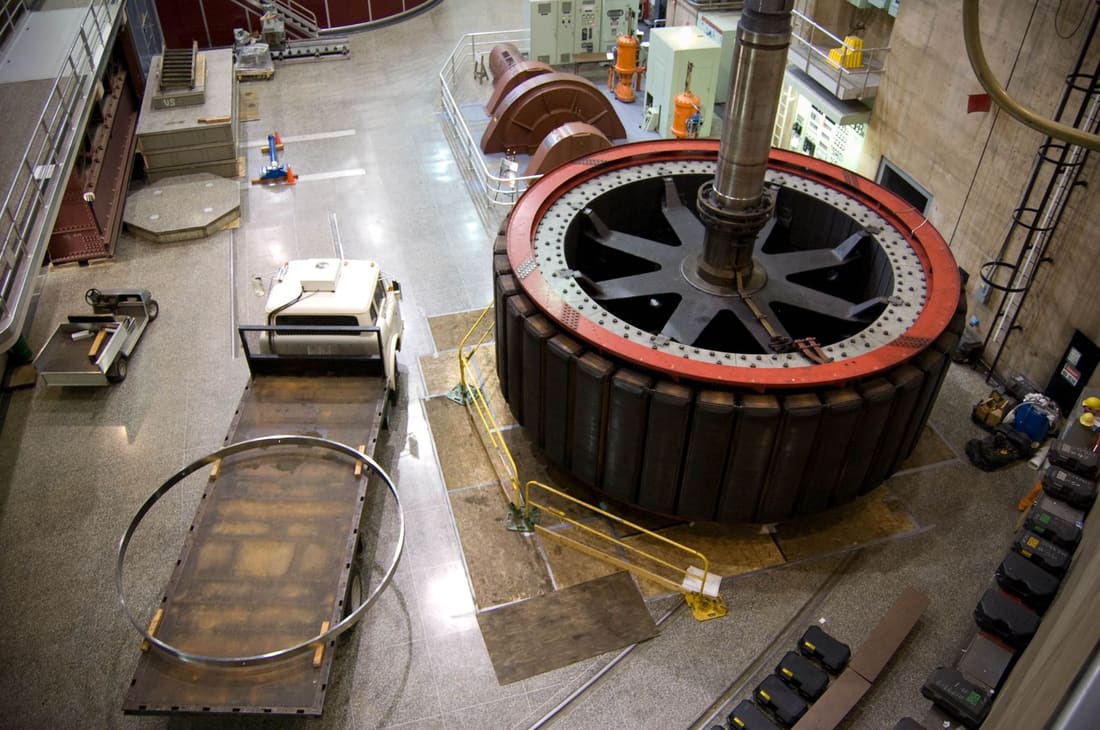
Manufacturing & Heavy Engineering
Distribution, MCC and drive scope for production lines where an unplanned outage stops output.
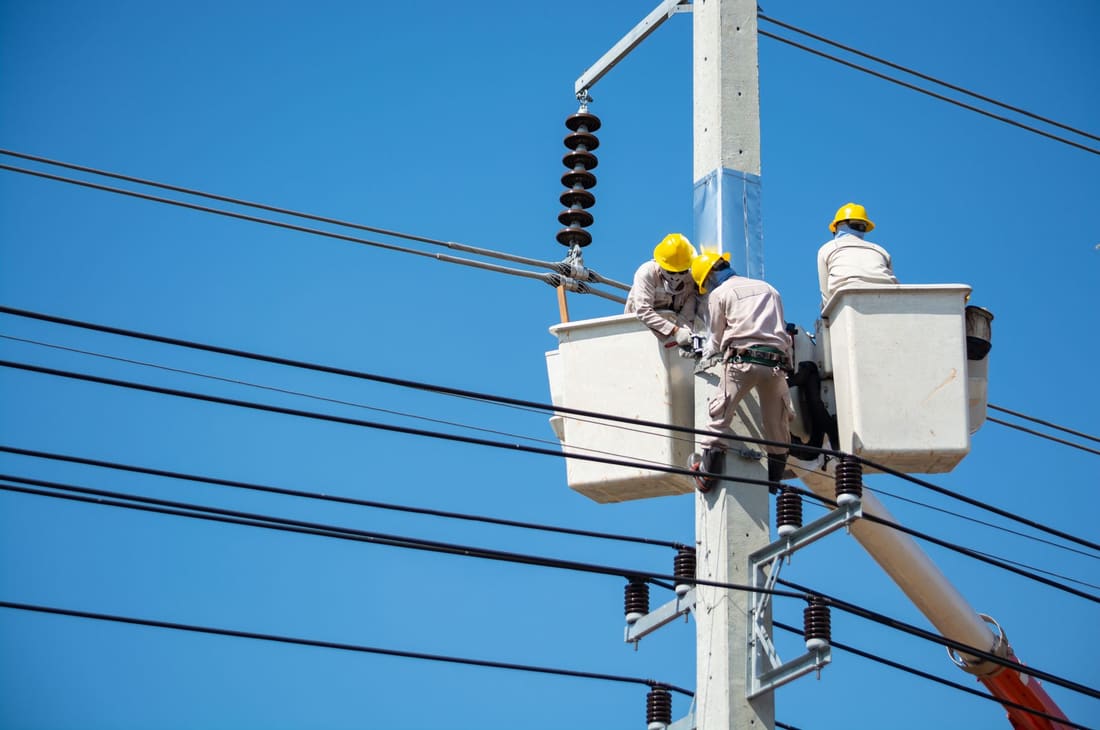
EPC & Infrastructure Contractors
BOQ-driven supply with drawing approvals, staged deliveries and site coordination aligned to your programme.
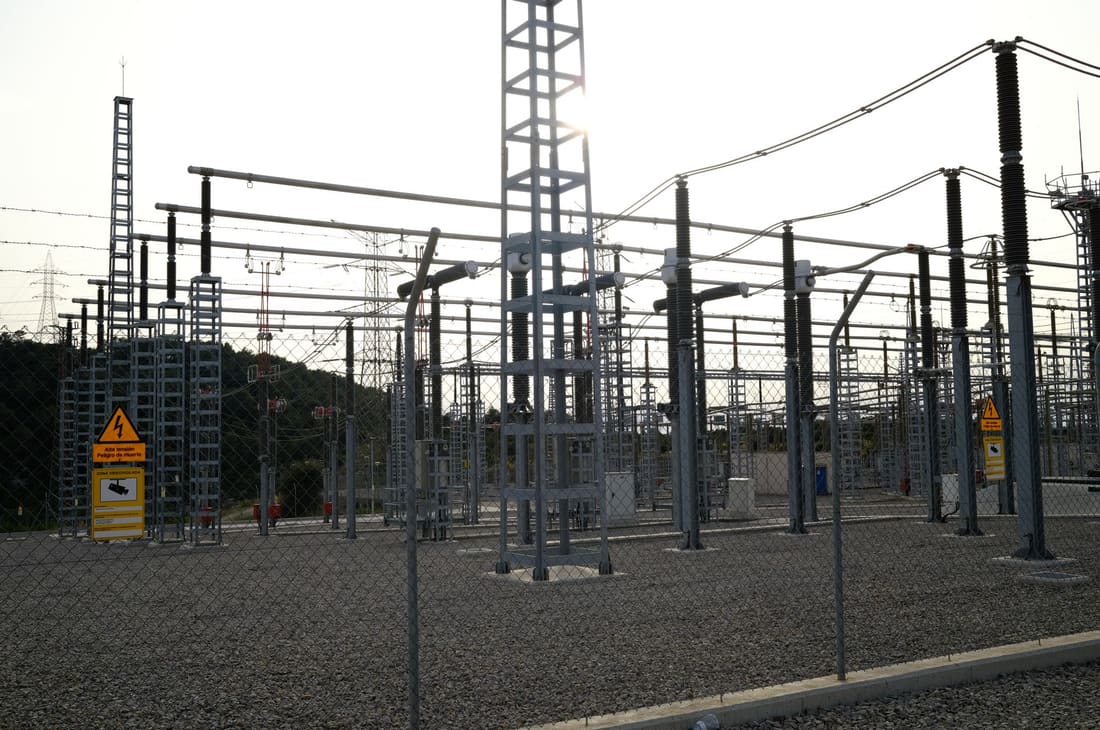
Utilities & Power Distribution
Substation apparatus, metering and protection with documentation prepared for utility inspection.
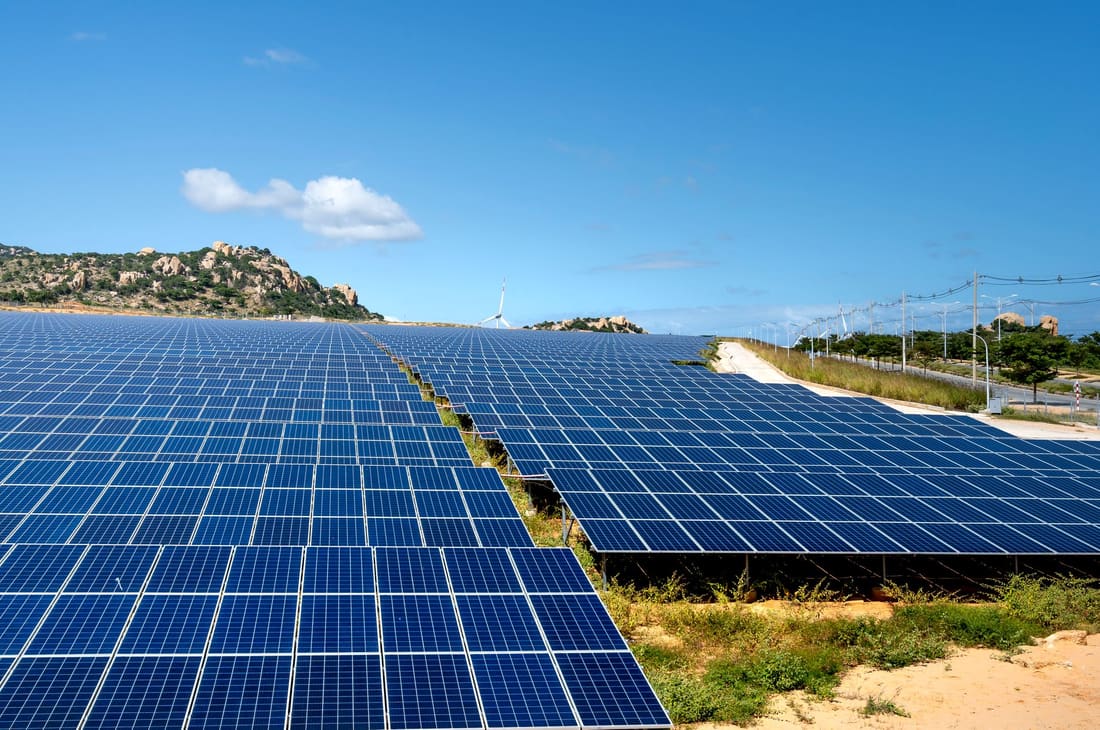
Renewable Energy
Balance-of-plant electrical equipment for solar, wind and hybrid generation and evacuation.
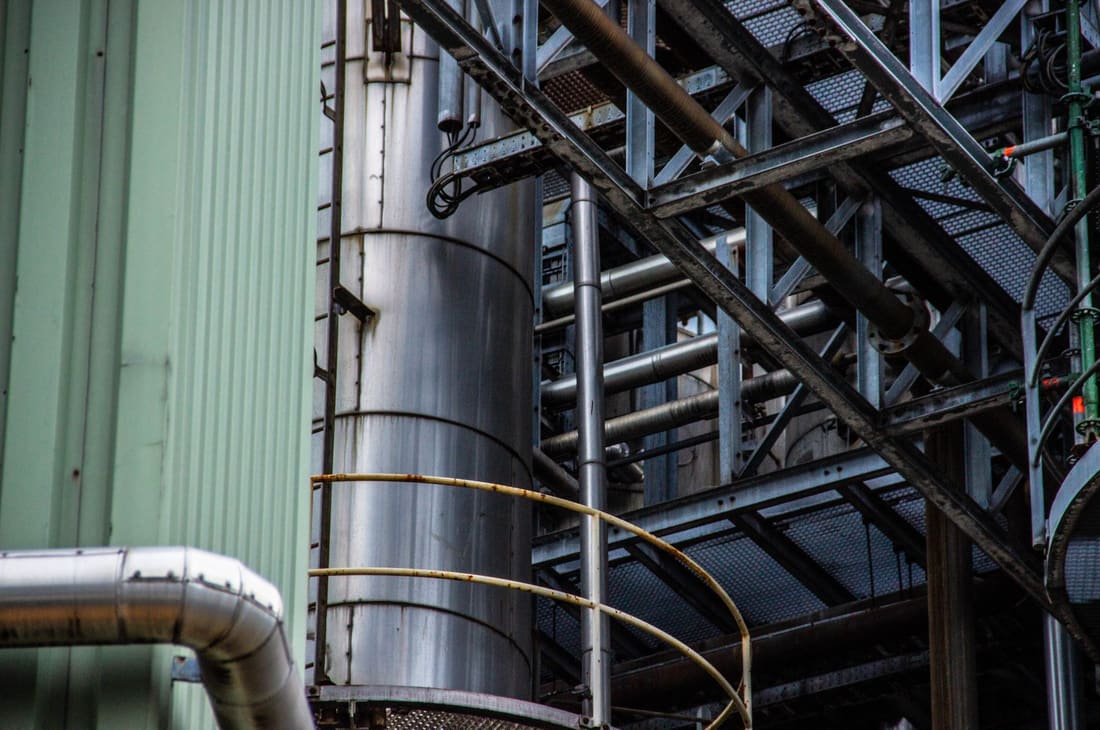
Oil, Gas & Chemicals
Hazardous-area rated equipment selection and coordinated documentation for regulated environments.
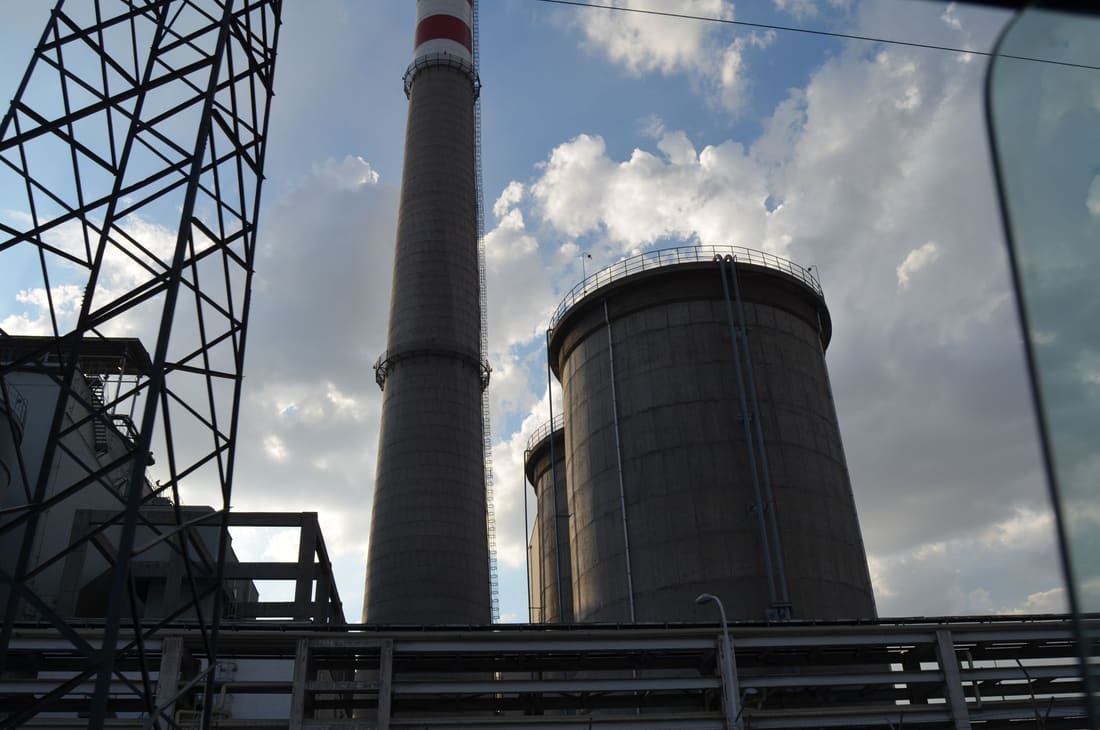
Cement, Steel & Mining
Heavy-duty motors, HT switchgear and rugged distribution for abrasive, high-load operations.

Data Centres & Critical Facilities
Redundant distribution, UPS, busduct and power quality scope for uptime-critical sites.
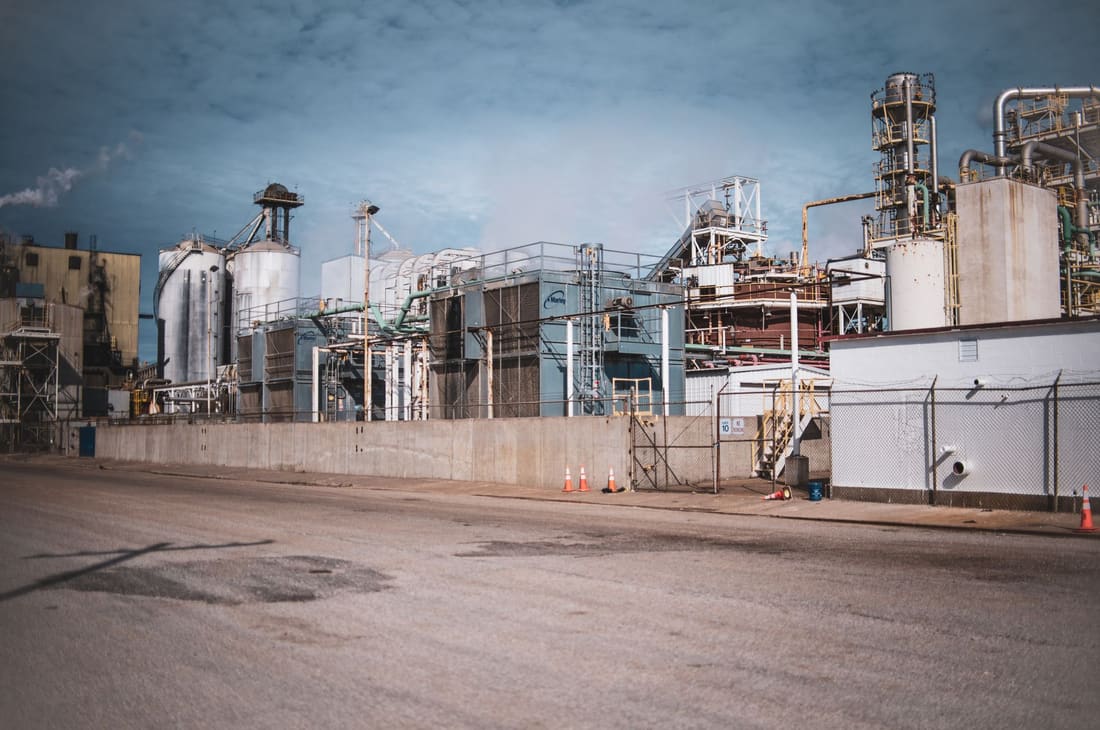
Water & Wastewater
Pumping station electrification, VFD panels and remote monitoring for distributed assets.
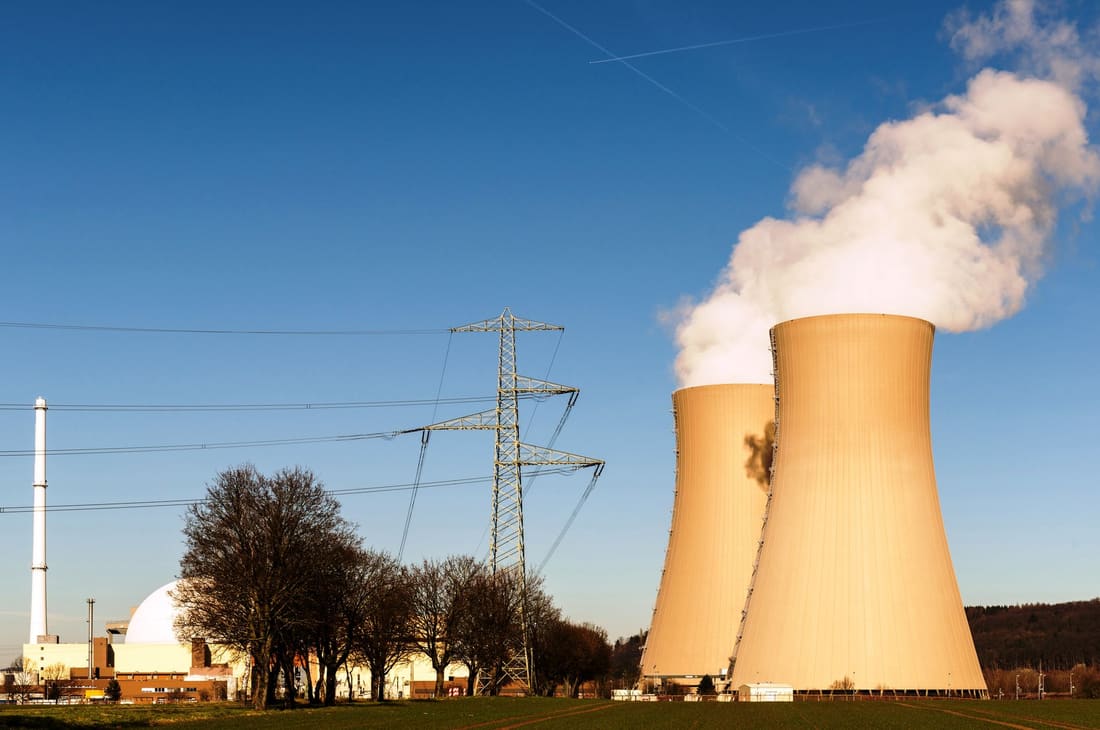
Commercial Real Estate
Main receiving stations, risers, panels and standby power for campuses and mixed-use developments.

Pharmaceuticals & Food Processing
Clean, documented electrical scope with validation-friendly records and controlled changeovers.
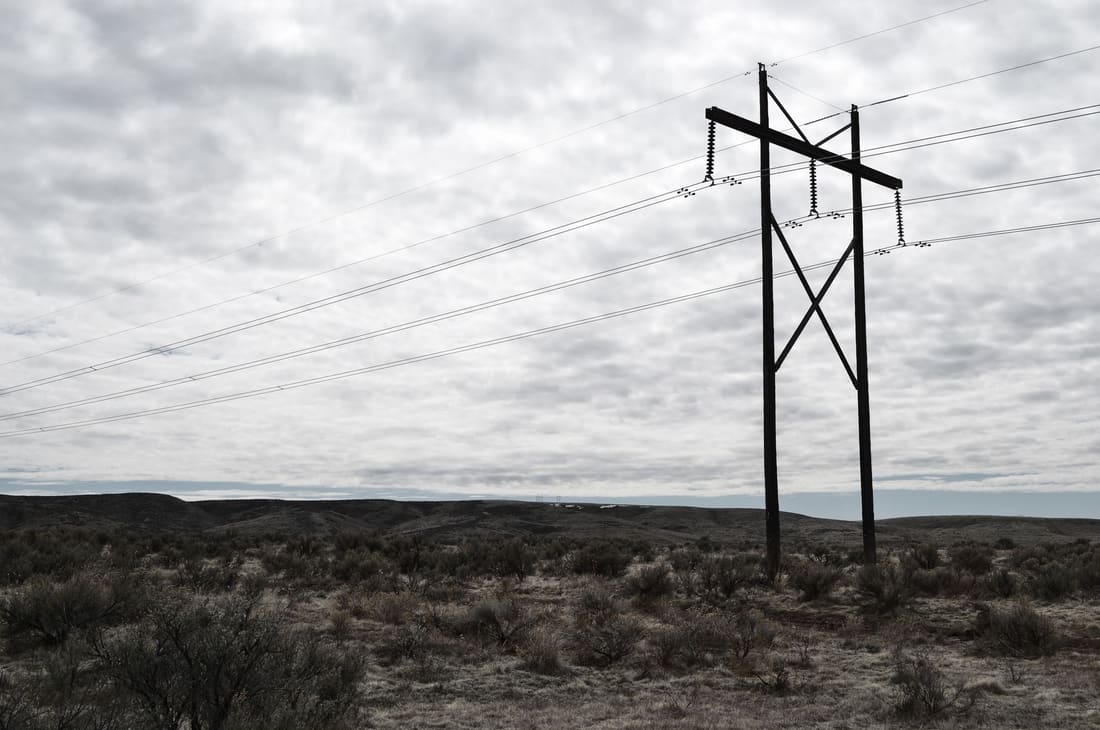
Same equipment, different constraints
The catalogue does not change. The consequences do.
A transformer specified for a commercial campus and one specified for a smelter are the same product line. What differs is the duty, the documentation, the outage window and what it costs you when it trips.
Sector by sector
What actually changes between industries
These are the variables that move cost, lead time and risk on an electrical package — worth settling before a specification is issued.
Documentation depth
A pharmaceutical or utility scope needs traceable test records and controlled changeover documents. A workshop expansion needs a clear as-built and little else. Both are legitimate — the cost difference is real, so it is agreed rather than assumed.
Shutdown discipline
In continuous process plants the constraint is the outage window, not the lead time. Sequencing, pre-assembly and dry runs are planned so the changeover fits the hours actually available.
Equipment ruggedness
Dust, vibration, corrosive atmospheres and high ambient temperatures drive enclosure class, insulation, bearing selection and cooling. The catalogue rating is the starting point, not the answer.
Hazardous area classification
Where a zone classification applies, equipment selection, certification and installation practice are constrained by it. Those constraints are established before an enquiry is raised, not at inspection.
Redundancy expectation
A data centre or hospital treats a single point of failure as a design defect. Distribution topology, backup autonomy and maintainability under load are engineered accordingly.
Programme interfaces
On an EPC project the electrical package lands between civil readiness and mechanical completion. Delivery is staged against that sequence rather than against our own convenience.
Sector not listed?
The scope travels further than the sector list
The categories above are where we work most often. If your operation runs medium or low voltage distribution, rotating machines, drives or backup power, the same engineering, sourcing and execution scope applies. Tell us the application and the constraints and we will say plainly whether we are the right supplier for it.
Request a quote
Have a requirement, drawing or BOQ ready?
Send it across as it is. Our engineers review the specification, raise clarifications and come back with a structured quotation and make options.
Quotations typically issued within 24–72 working hours of a complete requirement.